
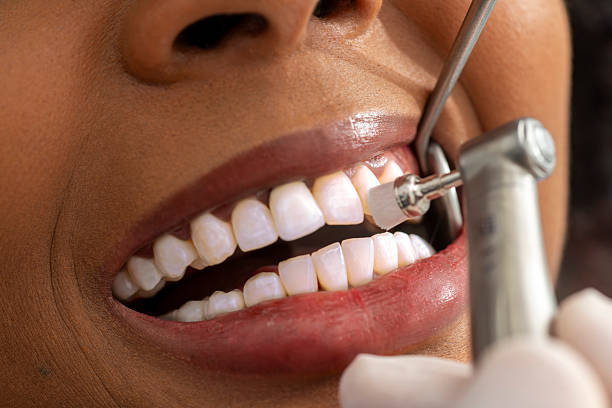
Is guided biofilm therapy different from the regular cleaning you already get? In some ways, yes. Guided biofilm therapy (GBT) is a structured professional cleaning protocol that follows a set order. It uses an oral health assessment, a plaque-disclosing dye, targeted biofilm removal, tartar removal when needed, and personalized home-care coaching.
A professional cleaning does more than make your teeth feel smooth. Its goal is to remove plaque and tartar that can irritate your gums and harm your teeth. That care helps protect your oral health between visits. GBT is one organized way to reach that goal. Not every cleaning that uses an ultrasonic scaler or air polisher counts as GBT.
This guide explains how GBT works, how it compares with traditional care, and who may benefit. If you’re due for professional teeth cleaning in Waterford, CT, this guide can help you prepare questions for your next visit.
What Is Guided Biofilm Therapy and How Does It Work?
GBT is a step-by-step approach to removing dental biofilm. GBT gets the name “guided” because a disclosing agent colors the plaque first. That color shows the clinician where to clean.
Many traditional cleanings rely on the clinician’s trained eye and knowledge of where plaque usually collects. GBT adds plaque visualization, so the cleaning follows the buildup your mouth actually has.
What Is Dental Biofilm and Why Does It Form on Teeth?
Dental plaque is a type of biofilm. It is an organized community of bacteria and other microbes held together in a sticky protective layer. Saliva leaves a thin protein film on your teeth, and bacteria attach to it and multiply. That is why biofilm begins to form again soon after you brush.
Biofilm tends to collect in these areas:
- Along the gumline
- Between your teeth, where a toothbrush can’t fully reach
- In the grooves of chewing surfaces
- Around the edges of fillings, crowns, and bridges
- Near braces, retainers, or crowded teeth
- On the back teeth, which are hard to see and reach
Not all oral bacteria are harmful. Many are a normal part of a healthy mouth. Problems start when biofilm builds up and stays in place. Over time, it can irritate the gums and cause inflammation called gingivitis. Acids from some plaque bacteria can also weaken enamel and lead to cavities (dental caries).
How Does Plaque Disclosure Guide Professional Cleaning?
Most plaque is nearly colorless, so it’s easy to miss. A disclosing solution or tablet temporarily stains it, often pink, blue, or purple. Some disclosing agents show newer and older plaque in different colors.
Seeing the plaque may help your clinician:
- Identify areas where plaque collects again and again
- Show you spots you may be missing at home
- Direct professional removal to the areas that need it most
- Give hygiene instruction that fits your mouth
Why Is Targeted Biofilm Removal Important?
The goal of any professional cleaning is to disrupt and remove biofilm before it causes problems. Different surfaces call for different tools. Enamel, exposed roots, gum tissue, and dental restorations do not all respond the same way.
Targeted removal lets the clinician match the method to the surface. Even so, no technique removes every trace of plaque from every surface. Your daily home care still matters.
What Happens During a Guided Biofilm Therapy Appointment?
GBT is commonly described as an eight-step protocol. Your actual visit depends on what your clinician finds. Some steps may be shorter, skipped, or repeated based on your gum health and other findings.
Step 1: Assess the Teeth, Gums, and Oral Health
Your visit starts with a review of your medical and dental history. The clinician then checks your teeth, gums, and any restorations. This may include measuring your gum pockets, looking for signs of decay, and noting your cavity risk. They may also ask about tooth sensitivity or health conditions that affect your care.
Step 2: Disclose Plaque Biofilm on Tooth Surfaces
Next, the clinician applies a plaque-disclosing agent to your teeth. The colored areas show where biofilm has collected. With a mirror, you can see which spots need more attention in your daily routine.
Step 3: Provide Personalized Oral Hygiene Instruction
With the plaque visible, your clinician can show you where your brushing or cleaning between your teeth falls short. They can demonstrate the right technique on the colored areas. They may suggest a different brushing angle, an interdental brush size, or a water flosser. Your clinician tailors this advice to your mouth, not a generic handout.
Step 4: Remove Biofilm With Appropriate Air-Polishing Technology
An air-polishing device sprays a fine mix of air, warm water, and powder onto your teeth. This lifts away the colored biofilm and many surface stains. In the GBT protocol, the powder is often erythritol-based. Erythritol is a sugar alcohol milled into very fine particles designed for low abrasiveness.
Not every air-polishing device or powder works the same way. Some powders are more abrasive and may not be suitable for every tooth or restoration surface.
Step 5: Address Biofilm in Periodontal Areas When Appropriate
If you have deeper gum pockets, the clinician may use a special nozzle to clean biofilm below the gumline. This step depends on your periodontal status and what the equipment is designed to do. It is not part of every preventive visit.
Step 6: Remove Remaining Calculus With Scaling Instruments
Biofilm that stays on your teeth can harden into calculus, also called tartar. Air polishing does not reliably remove hardened calculus. The clinician uses a thin ultrasonic scaling tip or hand instruments to remove any remaining tartar.
Step 7: Recheck the Cleaned Surfaces and Tissue Condition
The clinician checks your teeth again for leftover biofilm or calculus. They also look at your gum tissue. If they find missed spots, they clean them before you leave.
Step 8: Establish the Next Preventive or Periodontal Care Interval
Finally, you and your clinician set your next visit and your home-care goals. Your recall interval depends on your gum health, cavity risk, and how well you control plaque at home.
Guided Biofilm Therapy vs. Traditional Dental Cleaning: What’s the Difference?
The biggest difference is structure. GBT follows a set sequence guided by a disclosed plaque. A traditional cleaning, also called dental prophylaxis, focuses on professional plaque and tartar removal using the clinician’s judgment. Both can be effective when done well.
| Attribute | Guided Biofilm Therapy | Conventional Professional Cleaning |
| Main emphasis | Structured, biofilm-guided protocol | Professional plaque and calculus removal |
| Plaque disclosure | A core part of the protocol | May or may not be used |
| Air polishing | Used where indicated within the protocol | May or may not be used |
| Scaling | Used for calculus as needed | Commonly performed as indicated |
| Patient education | Built into the protocol | Also part of good preventive care |
| Treatment planning | Based on oral condition and protocol | Based on oral condition and clinical findings |
A high-quality traditional cleaning also uses evidence-based techniques. Many dental offices already include gum checks, scaling, polishing, and home-care tips at every preventive visit.
How Does Biofilm Visualization Change the Cleaning Process?
Without disclosure, clinicians rely on training and common plaque patterns. With disclosure, they can see where plaque is sitting in your mouth that day. This can make it easier to spot small missed areas. It also gives you a clear picture of what to work on at home.
Is Air Polishing Different From Traditional Tooth Polishing?
Yes. Traditional polishing uses a small rotating rubber cup with a gritty prophylaxis paste. Air polishing uses a pressurized spray of air, water, and fine powder. The spray can reach some grooves and tight spaces that a rubber cup may not.
Comfort and abrasiveness depend on the powder, device settings, and technique. Neither method is always gentler in every situation.
Does GBT Still Include Scaling and Calculus Removal?
Yes, when your clinician finds calculus. Soft biofilm and hardened tartar are different deposits. Air polishing targets biofilm and stain, while scaling instruments remove calculus.
Is Guided Biofilm Therapy Better Than Regular Teeth Cleaning?
Not universally. The right approach depends on your oral health, the clinician’s training, the equipment, and the goal of treatment.
Research so far shows similar results in some settings. In a randomized clinical trial comparing GBT with conventional instrumentation, patients with advanced periodontitis saw similar pocket-depth improvements with either approach. More research is still needed on routine preventive cleanings.
Who May Benefit From Guided Biofilm Therapy?
GBT may suit many patients, but it is not the right fit for everyone. Your clinician will look at your oral health before recommending any cleaning method.
Patients With Plaque Buildup Around the Gumline
If your gums get irritated or bleed in the same areas, disclosure may help show whether plaque is part of the cause. It highlights plaque that keeps collecting along the gumline, so your clinician can target those spots.
Patients Who Have Difficulty Cleaning Between Their Teeth
Tight contacts, small gaps, and crowded teeth can make interdental plaque hard to remove. Seeing stained plaque between your teeth helps your clinician choose the right floss, interdental brush, or other tool. They can then show you how to use it.
Patients With Crowns, Bridges, or Dental Implant Restorations
Plaque can collect along the curves and edges of a restoration, especially where it meets the gum. Bridges also have spaces under the replacement tooth that need special cleaning. If you have dental implant restorations, the gum tissue around them needs gentle, thorough cleaning to stay healthy.
Your clinician should match the tools and powder to each restoration material, since some options suit certain surfaces better than others.
Patients Receiving Periodontal Maintenance
After gum disease treatment, many patients need periodontal maintenance to help keep their gums stable. Biofilm management can form part of this supportive care. Regular gum measurements and any treatment your dentist recommends remain essential.
Patients Who Want to Improve Their Home Oral Hygiene
Some people brush twice a day and still have plaque in the same places. Disclosure turns general advice into specific feedback. You can see which teeth and brushing angles you tend to miss. It can also show whether your floss or interdental brush is reaching every space.
Does Guided Biofilm Therapy Hurt or Cause Tooth Sensitivity?
How GBT feels varies from person to person. Your gum health, tooth sensitivity, and the areas your clinician cleans all affect how a visit feels. No one can promise that any cleaning will be completely painless. Before you start, agree on a simple signal, like raising your hand, so you can pause anytime.
What Does Air Polishing Feel Like?
You’ll likely feel a spray of water with a light, powdery texture. Some people notice the air pressure or a slightly sweet taste when erythritol powder is used. The hygienist uses suction to control the spray. How it feels can depend on your gum health and which areas need the most cleaning.
Can Patients With Sensitive Teeth Receive GBT?
In many cases, yes, but it depends on the cause of the sensitivity. Your clinician should first check for exposed roots, worn enamel, recent dental work, or other conditions. They should also confirm the device and powder suit your teeth. They can then adjust the settings or suggest a different approach.
Can GBT Cause Gum Irritation?
Some patients have mild, temporary tenderness after a cleaning. This is more likely when the gums are already inflamed. Cleaning below the gumline or removing heavier buildup can also leave the gums a little sore. Irritation usually settles as the gums heal and plaque control improves.
Is Guided Biofilm Therapy Safe for Dental Implants and Restorations?
Safety depends on how your clinician matches the treatment to each material. Implants, crowns, veneers, and composite fillings are made of different materials. Device settings, nozzle type, powder choice, and technique all matter. Your clinician should know what restorations you have before cleaning around them.
How Does Guided Biofilm Therapy Support Gum Health?
Healthy gums depend on keeping biofilm under control. GBT is one way to support that goal alongside your daily home care. It can fit into routine preventive visits and ongoing care for patients with a history of gum disease.
How Plaque Biofilm Contributes to Gingivitis
When biofilm sits along the gumline, the gums can become red, swollen, and prone to bleeding. This early stage is called gingivitis. It is usually reversible with better plaque control.
When plaque stays on your teeth, it can harden into tartar. Over time, plaque and tartar can irritate your gums and contribute to gum disease.
Why Biofilm Control Matters for Patients With Periodontitis
Periodontitis is a more advanced gum infection that affects the tissue and bone supporting your teeth. Professional biofilm management supports ongoing care for these patients. However, it does not replace the active treatment your gums need, such as scaling and root planing. Your dentist will recommend treatment based on your gum measurements and X-rays.
How Professional Cleaning and Home Care Work Together
Professional visits remove buildup you can’t reach at home and give you specific feedback. Daily brushing and interdental cleaning help limit biofilm between visits. Professional care adds to your daily routine, but it can’t take its place.
How Often Should You Have Guided Biofilm Therapy?
The right frequency depends on your risk level and what your dentist finds at your exam. GBT doesn’t have its own schedule. It follows your preventive or periodontal care interval, and no single interval fits every patient.
Preventive Cleaning Intervals for Patients With Healthy Gums
Many patients with healthy gums visit about twice a year. Your dentist may suggest a different recall schedule based on your plaque control and cavity risk.
Periodontal Maintenance Intervals for Patients With Gum Disease History
If you’ve been treated for gum disease, you may need more frequent visits. Many patients return every three to four months. Your dentist sets the interval based on how stable your gums are.
Why Your Dentist May Adjust the Frequency of Professional Cleaning
Your schedule may change over time as your needs change. Your dentist may adjust it based on factors such as:
- How well you control plaque at home
- Changes in gum bleeding or pocket depths
- Your cavity risk
- Crowns, bridges, implants, or orthodontic appliances
- Health and lifestyle factors, such as diabetes, pregnancy, or smoking
What Should You Expect After a Guided Biofilm Therapy Appointment?
Most recovery after a cleaning is simple. Expect a fresh feeling, possible short-term sensitivity, and a few home-care adjustments based on your results.
How Your Teeth and Gums May Feel After Cleaning
Many patients notice their teeth feel smooth and clean. Your gums or teeth may feel a little sensitive for a day or two. If discomfort lasts or gets worse, call your dental office.
What Oral Hygiene Changes Should You Make at Home?
Use what the disclosed plaque showed you. For example, if plaque gathered behind your lower front teeth, give that area extra attention. Helpful changes may include:
- Brushing along the gumline at a slight angle
- Cleaning between your teeth daily with floss or interdental brushes
- Spending extra time on your back teeth and the edges of restorations
- Using disclosing tablets at home now and then to check your progress
When Should You Return for Your Next Cleaning?
Follow the interval your dentist or hygienist recommends. They base it on what they saw during your visit. Your schedule may differ from a friend’s or family member’s.
Modern Preventive Teeth Cleaning at Graniteville Dental in Waterford, CT
At Graniteville Dental, professional teeth cleaning is part of a complete preventive visit. Each hygiene visit begins with a conversation about your concerns and goals. Our team then examines your teeth and gums, checks gum pocket depths, and screens for oral cancer.
When X-rays are due, we use low-radiation digital imaging. Our dentists review your images with help from Overjet AI technology. It highlights possible areas of concern, so you can see what we see.
Your preventive visit includes:
- Plaque and tartar (calculus) removal on and between your teeth and along the gumline
- Polishing to remove surface stains
- Personalized oral hygiene recommendations for your home routine
If you’re curious about newer cleaning methods like GBT, ask our team at your visit. We’ll explain the cleaning methods we use and what fits your needs.
Frequently Asked Questions About Guided Biofilm Therapy
Is Guided Biofilm Therapy the same as a regular dental cleaning?
No. GBT is a specific, structured protocol. “Regular cleaning” is a broad term for professional preventive care. Both aim to remove plaque and tartar, but GBT adds plaque-disclosing dye and follows a defined order of steps.
Does Guided Biofilm Therapy remove tartar?
It can. When tartar is present, the protocol includes calculus removal with ultrasonic or hand scaling instruments. The air-polishing step handles soft plaque and stains, but hardened tartar needs scaling.
Is GBT the same as deep cleaning?
No. Deep cleaning usually refers to scaling and root planing, a treatment for active gum disease. It cleans root surfaces below the gumline, often over more than one visit. GBT may support periodontal care but does not replace this treatment when you need it.
Is Guided Biofilm Therapy painful?
Comfort varies from person to person. Sensitive teeth or inflamed gums can affect how a cleaning feels. No dental procedure is guaranteed to be pain-free. Tell your hygienist if anything feels uncomfortable so they can adjust their approach.
Does GBT whiten teeth?
Not the way bleaching does. Removing plaque and surface stains can make teeth look brighter. It does not change the natural shade of your enamel. Professional whitening is a separate treatment.
Can Guided Bio-film Therapy be used around dental implants?
It can, when your clinician uses equipment, powder, and technique suited to implant surfaces. Your dentist should first evaluate the implant restoration and the gum tissue around it.
How long does a Guided Biofilm Therapy appointment take?
It depends on how much biofilm and tartar are present. Deeper gum pockets may also need extra time. A first visit can take longer than later ones if there is more buildup to remove.
Is Guided Biofilm Therapy covered by dental insurance?
Coverage usually depends on the clinical service billed and your plan, not the protocol name. For example, the office may bill a visit as a preventive cleaning or as periodontal maintenance. Check your benefits with your insurance company and the dental office.
How often should you get Guided Biofilm Therapy?
Usually as often as your regular cleanings or periodontal maintenance visits. Your dentist bases that interval on your gum health, cavity risk, and home care.
Ask About Professional Teeth Cleaning in Waterford, CT
Professional dental cleaning is an important part of keeping your teeth and gums healthy. Graniteville Dental in Waterford, CT offers preventive dental care tailored to your oral health needs. Our team takes time to explain what we see and how to protect your smile between visits. Schedule a Dental Cleaning to learn about the cleaning methods available, or book your next appointment online.
