
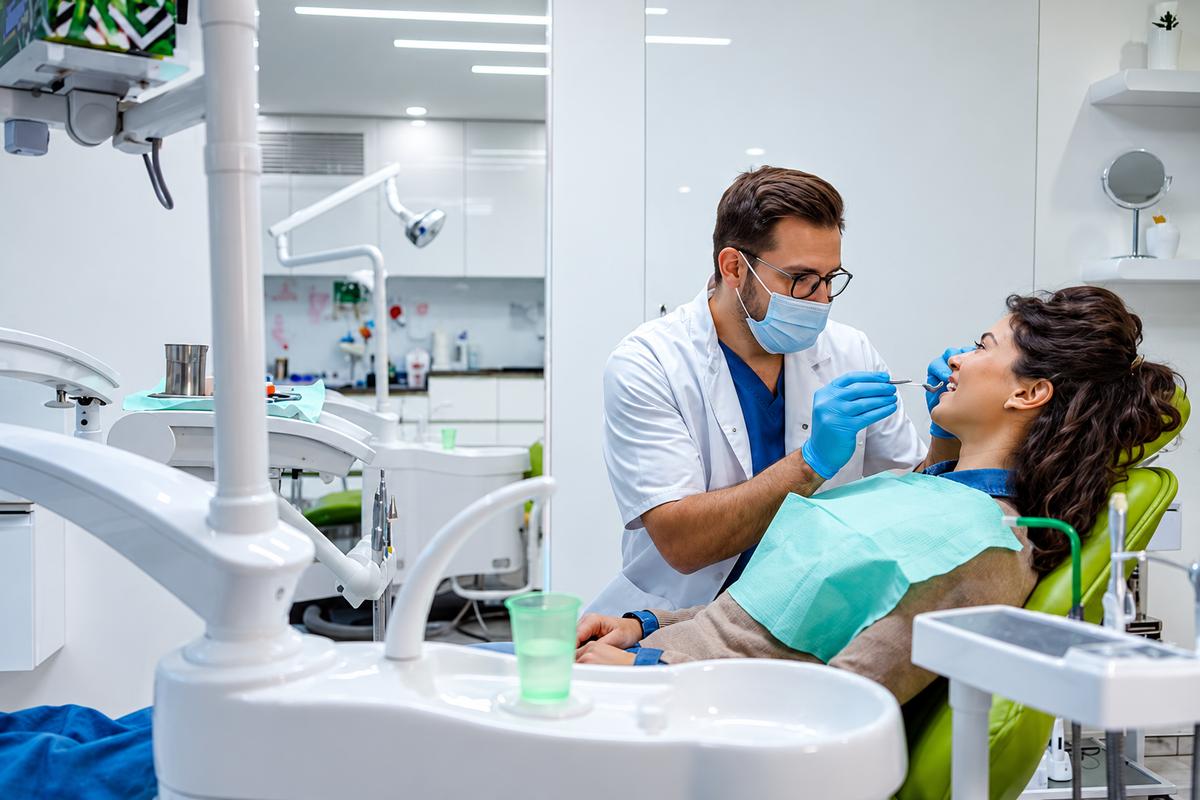
Your gums feel better after treatment. Then your next appointment shows up as something new. It’s no surprise that many patients ask our team, “Why am I being scheduled for periodontal maintenance instead of my usual teeth cleaning?”
Here’s the short answer. When you compare periodontal maintenance vs. regular cleaning, the answer comes down to your gum health history. A regular cleaning helps prevent problems in a mouth without active gum disease. Periodontal maintenance is ongoing care for people who’ve had periodontitis. It keeps an eye on your gums and clears away plaque and tartar to help keep the condition in check.
Many people assume the difference is thoroughness or cost. In reality, it comes from your diagnosis, the treatment you’ve had, and what your gums need now. Periodontitis can leave changes below the gumline that you can’t see or feel. Those areas still need regular care, even when everything seems fine.
At Graniteville Dental Solutions, we offer both routine cleanings and periodontal maintenance in Waterford, CT. Below, we walk through the goals of each visit and what happens in the chair. You’ll also see how often each is scheduled, who needs which, and how each one supports your gums over the long term.
What Is the Difference Between Periodontal Maintenance and Regular Dental Cleaning?
A regular dental cleaning helps keep a healthy mouth healthy. Periodontal maintenance helps manage a gum condition that has already been treated. Here is a side-by-side look at periodontal maintenance vs. regular cleaning.
| Attribute | Regular dental cleaning | Periodontal maintenance |
| Main purpose | Preventive oral hygiene care | Ongoing care after periodontal disease treatment |
| Typical patient | No history of periodontitis requiring maintenance | History of treated periodontitis |
| Clinical focus | Removing plaque and calculus to help prevent disease | Periodontal stability, biofilm/calculus control and monitoring |
| Monitoring | Routine oral health assessment | Periodontal-specific reassessment as indicated |
| Appointment interval | Individualized preventive schedule | Individualized periodontal recall |
| Relationship to SRP | Does not replace needed periodontal therapy | Commonly follows active periodontal treatment |
Treat this table as a general guide. Every patient’s needs are a little different, and your dentist will tailor the details to your mouth.
What Is a Regular Dental Cleaning or Dental Prophylaxis?
A regular dental cleaning, also called dental prophylaxis, is preventive care for patients who do not have periodontitis that needs treatment. Your hygienist removes plaque and tartar (dental calculus) from your teeth, mainly at and above the gumline.
A routine teeth cleaning visit usually includes:
- A check of your gums for redness, swelling, or bleeding
- Polishing, when appropriate for your teeth
- Tips to improve your brushing and flossing at home
Our office offers routine dental cleanings as part of preventive dental care for the whole family.
What Is Periodontal Maintenance After Gum Disease Treatment?
Periodontal maintenance is continuing professional care for patients with a history of periodontitis. This gum disease maintenance usually begins once active treatment, such as scaling and root planing, has stabilized the disease.
A periodontal maintenance cleaning may include:
- An assessment of your gums and periodontal pockets
- Removal of plaque and calculus above and below the gumline
- Extra attention to areas where gum disease caused damage before
- A review of your home-care routine
This care usually starts after active treatment ends. It then continues at intervals your dentist sets based on your needs, often for as long as you keep your natural teeth. That makes periodontal maintenance therapy a continuation of your treatment plan rather than an optional extra.
Why Isn’t Periodontal Maintenance Simply a Deeper Regular Cleaning?
Many patients picture periodontal maintenance as a longer, more detailed regular cleaning. The difference starts with why the visit happens. A routine visit helps a healthy mouth stay that way. Periodontal maintenance manages ongoing risk in a mouth that has already had periodontitis. How far the instruments reach or how long the visit lasts does not define it. Your periodontal history does.
The tools can look similar. Your hygienist may use hand scalers, ultrasonic instruments, or approaches such as guided biofilm therapy, depending on your needs. What changes is the clinical purpose. That includes what your team checks, where they focus, and what they do with the findings.
Why Do Patients Need Periodontal Maintenance After Gum Disease?
Periodontitis can damage the gum tissue and bone that hold your teeth in place. Treatment can calm inflammation and stabilize the disease. Even so, a history of periodontitis can leave your gums more prone to future problems. That ongoing risk is why many patients need long-term periodontal care after treatment.
How Periodontitis Changes the Gums and Supporting Bone
Healthy gums fit snugly around each tooth. Tiny connective tissue fibers attach your gums to the tooth and anchor the root to the surrounding bone. That bone, called alveolar bone, holds each tooth in place.
With periodontal disease, bacteria in plaque trigger ongoing gum inflammation. Over time, the gums can pull away from the teeth and form pockets. Those pockets collect more bacteria. The fibers and bone that support each tooth can break down. Dentists call this periodontal attachment loss and alveolar bone loss.
Treatment can reduce inflammation and help pockets shrink. Your gums may look pink and feel fine again. But healthy-looking gums do not rebuild attachment or bone lost earlier. Any pockets that remain can still trap bacteria.
Can Gum Disease Return After Successful Treatment?
Yes. Periodontitis can return or progress, even after treatment goes well. The risk tends to rise when:
- Plaque builds up between visits
- You smoke or use tobacco
- You have a health condition such as diabetes
- Maintenance visits are delayed or skipped
Smoking is one of the strongest risk factors for gum disease, and it can make treatment less effective.
Periodontal maintenance cannot guarantee that gum disease will stay away. It does give your team a regular chance to spot changes early.
Why Professional Monitoring Matters Even Without Pain or Bleeding
Gum disease often progresses quietly. You may feel no pain at all while pockets deepen.
That is why your team relies on measurements, not symptoms alone. At maintenance visits, your dentist or hygienist may check:
- Pocket depths, using a small measuring tool called a periodontal probe
- Bleeding on probing, a sign of active inflammation
- Gum recession and attachment levels
- Tooth mobility, or how much a tooth moves
- X-rays, when needed, to review bone levels
Bleeding gums at home are always worth mentioning. Still, a lack of bleeding does not prove your gums are stable.
What Happens During a Regular Dental Cleaning Appointment?
A regular cleaning focuses on prevention.
Removing Plaque and Tartar From Accessible Tooth Surfaces
Plaque is a soft, sticky film of bacteria. Dentists also call it plaque biofilm. It forms on your teeth every day.
When plaque stays in place, it can harden into tartar, also called dental calculus. Brushing and flossing remove plaque. Once tartar hardens, though, it bonds firmly to the tooth, and a toothbrush cannot loosen it. Only a professional cleaning by a dentist or hygienist can remove it.
Your hygienist uses special instruments to remove tartar from tooth surfaces at and above the gumline.
Polishing, Gum Checks, and Oral Hygiene Recommendations
After removing tartar, your hygienist may polish your teeth to smooth them and lift surface stains. Your hygienist provides polishing and other preventive steps, such as fluoride, when they make sense for you.
Your team also checks your gums and reviews your home routine. That includes your brushing technique and how you clean between your teeth, whether you use floss, interdental brushes, or a water flosser.
When a Routine Cleaning May Reveal the Need for Periodontal Evaluation
Sometimes a routine cleaning turns up signs that call for a closer look. These may include:
- Gums that bleed during the exam
- Pockets deeper than expected
- Signs of attachment loss
- Bone loss on X-rays
When this happens, your dentist may recommend a periodontal evaluation first. A standard cleaning may not address what is going on below the gumline. The evaluation helps your dentist decide the right next step for you.
What Happens During a Periodontal Maintenance Appointment?
A periodontal maintenance appointment builds on your past treatment. It differs from your first round of deep cleaning. The goal is to keep your gums stable and catch changes early.
Reviewing Your Gum Health and Previous Periodontal Treatment
Your visit often starts with a conversation. Your team may ask about:
- Changes since your last visit, such as tenderness or bleeding
- How your daily brushing and flossing routine is going
- New medications or changes in your health
- Smoking or other risk factors
This review links today’s findings to your treatment history.
Measuring Periodontal Pockets and Checking for Inflammation
Periodontal probing measures the space between your gums and teeth in millimeters. Shallower readings usually point to healthier tissue. Rising numbers can signal that disease is active again.
Your team may also note bleeding on probing, gum recession, and attachment levels. Not every measurement is repeated in full at every visit. Your dentist decides how often you need a full set of measurements based on your history and current findings.
Removing Plaque and Calculus Around Periodontally Affected Teeth
Your hygienist uses hand or ultrasonic instruments to remove plaque and calculus above and below the gumline. Areas that had periodontal breakdown before get special attention. Deeper pockets can hold hardened buildup below the gumline, called subgingival calculus, that your toothbrush cannot reach.
How much cleaning happens below the gumline varies from visit to visit. It depends on what your hygienist finds. Maintenance does not usually mean repeating full deep scaling of every root surface each time.
Evaluating Whether Additional Gum Disease Treatment Is Needed
Sometimes the findings show that maintenance alone is not enough. Persistent inflammation, deepening pockets, or new bone loss may need more care.
In that case, your dentist may recommend a reassessment or further treatment. Simply keeping the same schedule may leave the problem unaddressed.
Updating Your Home-Care Routine
What you do at home between visits matters as much as your professional cleanings. Your hygienist may suggest:
- A soft-bristled brush, angled toward the gumline
- Interdental brushes for wider spaces between teeth
- A water flosser if regular floss is hard to use
- Extra focus on spots where plaque tends to build up
These tips are tailored to you. A patient with gum recession and a bridge may need different tools than someone with tight spaces between teeth.
How Does Scaling and Root Planing Differ From Periodontal Maintenance?
Scaling and root planing is active nonsurgical treatment for patients whose periodontal disease calls for it. Periodontal maintenance is the ongoing care that follows.
A typical sequence of care looks like this:
- Diagnosis of periodontitis
- Active treatment, such as scaling and root planing
- Healing and reassessment
- Periodontal maintenance at a set interval
- Regular reassessment, with changes as needed
Scaling and Root Planing Treats Periodontal Disease
Scaling and root planing is a form of nonsurgical periodontal therapy. Scaling removes plaque and calculus from below the gumline. Root planing smooths the root surfaces where needed, which can help the gums heal against the tooth.
Periodontal Maintenance Helps Manage Long-Term Disease Risk
Healing comes first. Knowing what happens after scaling and root planing can help you prepare for the weeks before your first maintenance visit. Once your gums stabilize, maintenance takes over. Each visit combines monitoring with plaque and calculus control. This supportive periodontal care helps protect the results of your treatment over the long term.
Why Some Patients Need Additional Treatment Instead of Maintenance Alone
Periodontal maintenance after scaling and root planing works best when the disease is stable. If the disease progresses, your dentist may reevaluate your diagnosis and recommend another round of nonsurgical treatment. Some patients may also be referred to a periodontist, a dentist who specializes in gum disease.
How Often Should You Have Periodontal Maintenance Compared With a Regular Cleaning?
Preventive cleaning schedules vary from person to person. Periodontal maintenance is usually scheduled more often, commonly every three to four months. Your exact schedule depends on your individual risk.
Why Periodontal Maintenance May Be Recommended Every Three or Four Months
Plaque biofilm starts rebuilding soon after a cleaning. In deeper pockets, bacteria can settle back in and trigger inflammation again between visits. A shorter recall interval lets your team disrupt that buildup and recheck your gums.
Your periodontal history, home care, smoking status, and overall health all shape this schedule. A three-month interval is common, but it is not required for every patient.
Why Regular Cleaning Intervals Also Depend on Individual Risk
Many patients without gum disease see a hygienist every six months. That schedule is common, but it is not a universal clinical rule. Some patients who build up tartar quickly benefit from more frequent visits. Others do well on a longer schedule.
Can Your Maintenance Schedule Change Over Time?
Yes. Your periodontal maintenance schedule can change as your gums respond. Stable readings over time may allow a longer interval. New inflammation or deeper pockets may call for a shorter one. Your team reassesses your needs as your care moves forward.
Is Periodontal Maintenance More Expensive Than a Regular Dental Cleaning?
Periodontal maintenance often costs more than a regular cleaning, since it is a separate service with its own fee. What you pay depends on your needs and your insurance plan. Our team can walk you through your coverage before your visit.
Why the Procedures May Have Different Fees and Billing Codes
Dental offices bill regular cleanings and periodontal maintenance as separate procedures, each with its own billing code. The two services have different clinical goals, documentation, and treatment history behind them. Periodontal maintenance often involves more monitoring and targeted cleaning below the gumline.
Does Dental Insurance Cover Periodontal Maintenance?
Coverage depends on your plan. Your benefits may set:
- How many maintenance visits your plan pays for each year
- Whether maintenance and regular cleanings share a frequency limit
- Waiting periods for periodontal services
- How much of the cost you pay
Check the details of your specific plan, or ask our front desk to help you review your benefits.
Why Delaying Recommended Periodontal Care May Increase Future Treatment Needs
Putting off recommended care gives periodontitis more time to progress. Poorly controlled disease can continue to break down gum tissue and bone. Over time, that may lead to loose teeth, more involved treatment, or tooth loss.
Keeping up with maintenance does not remove every future cost. It does give your team the chance to address changes while they are smaller and simpler to manage.
How Does Graniteville Dental Solutions Determine Which Cleaning You Need?
Our team recommends a routine cleaning or periodontal maintenance based on what we see in your mouth. We look at your periodontal history, clinical exam, pocket measurements, signs of inflammation, and how your gums responded to past treatment.
Your Periodontal History Helps Guide the Recommendation
A documented history of periodontitis or previous scaling and root planing often points toward periodontal maintenance. If you are new to our office, records from your previous dentist can help us understand your gum health history.
Your Current Gum Health Determines the Next Step
Today’s exam shapes your plan:
- Active disease may need treatment first, such as scaling and root planing
- A stable history of periodontitis usually calls for periodontal maintenance
- Healthy gums with no history of periodontitis generally call for routine preventive care
Your Maintenance Plan Should Reflect Your Individual Risk
A clinical exam, not a standard calendar, should set your interval and type of care. At our Waterford office, our dentists explain what they find and why they recommend a specific plan.
Frequently Asked Questions About Periodontal Maintenance and Dental Cleaning
Is periodontal maintenance the same as a deep cleaning?
No. A deep cleaning, or scaling and root planing, is active treatment for periodontitis. Periodontal maintenance is the ongoing care that follows once the disease is stable.
Can I switch back to regular cleanings after periodontal treatment?
That depends on your diagnosis and history, and only a professional reassessment can answer it. Feeling fine is not enough on its own. Patients with a history of periodontitis often continue periodontal maintenance because past attachment and bone loss can leave them at ongoing risk.
Does periodontal maintenance hurt?
Comfort varies from person to person. Inflamed gums, sensitive teeth, and deeper pockets can make some areas more tender. Let your hygienist know if anything feels sore. Your hygienist can work more gently in tender spots, pause for short breaks, and talk with you about other comfort options.
Do I need periodontal maintenance if my gums no longer bleed?
Possibly. Gums that no longer bleed are a good sign, but bleeding is only one symptom. Your history and your pocket measurements matter more.
Is periodontal maintenance necessary for life?
Many patients with a history of periodontitis need some form of periodontal-focused care long term. Your schedule and plan can change over time as your gums respond.
Will periodontal maintenance reverse bone loss?
No. Periodontal maintenance does not regenerate bone that was already lost. Its role is to help control the disease and preserve the stability you gained through treatment.
Can periodontal maintenance prevent tooth loss?
It can help lower your risk by keeping periodontal disease under closer watch. No treatment can guarantee you will keep every tooth. Regular maintenance, good home care, and managing risk factors like smoking all help protect your teeth.
Does dental insurance treat periodontal maintenance differently from regular cleaning?
Often, yes. Some plans cover routine cleanings under preventive benefits and periodontal maintenance under a different benefit category. Review your plan details or ask our team to help you check your benefits.
Find the Right Dental Cleaning or Periodontal Maintenance Plan in Waterford, CT
Whether you need a routine dental cleaning or ongoing periodontal maintenance depends on your gum health and treatment history. Graniteville Dental Solutions in Waterford, CT can evaluate your periodontal condition and recommend a plan built around your needs. Our team will explain what we find, answer your questions, and help you understand your options. Schedule a gum health evaluation to find out which type of care is right for you.
